You might walk into an alterations appointment expecting everything to be fixed in one visit, only to learn your alterations specialist needs to schedule another fitting. At the moment, it’s common to wonder whether something went wrong or why the process is taking longer than expected. Perhaps you wonder how long it really takes to alter a dress.
The reality is, great alterations are rarely a one-and-done fix, especially when the goal is a smooth, custom fit. Alteration Specialists often need a second fitting to refine details such as balance, drape, and comfort after the first adjustment.
In this guide, we explain why multiple fittings may be necessary, which types of alterations typically require multiple fittings, and how pricing can vary based on the work involved.
A fitting is a pause point in the alteration process, where your alteration specialist evaluates how the garment is responding to the first round of changes. This step allows for adjustments before anything is finalized. A fitting lets you and the alteration specialist check the progress before finalizing any changes.
The honest answer to “how long will this take?” usually comes from the fitting, because that’s where the real details show up.
Some garments are simply built for complexity. If a piece has structure, layers, or a defined silhouette, it usually requires more than one fitting to achieve balance. It doesn’t mean anything is wrong. The garment is just built to sit a certain way.
Here are the most common examples:
Formal garments are designed to look polished from every angle. Small fit changes in the shoulders, waist, or chest often affect the entire garment. A second fitting ensures the changes work together rather than compete.
Wedding dress alterations typically require multiple fittings. These dresses have layers, internal structure, and delicate fabrics that settle over time. Adjustments are typically made in stages to protect the seams and maintain the silhouette.
Suits rely on balance – between the jacket and trousers and between structure and movement. A sleeve adjustment can affect how the jacket hangs. A waist change can visually alter the length of the jacket. Multiple fittings make sure the proportions stay right.
Anything with padding, boning, darts, or internal shaping falls into this category. These garments don’t behave like casualwear. They need careful, step-by-step tailoring to maintain their intended form.
This is why alteration timelines differ from garment to garment.
A garment's response to alteration depends heavily on its construction and materials. The more detailed the fabric and structure, the more valuable the fittings. Skill shows how a alteration specialist cooperates with the material.
Key factors alteration specialists watch closely:
As a result, most alteration specialists prefer to make smaller changes first. They adjust, reassess, then refine. This method protects the garment and leads to cleaner results. This explains why alteration timelines aren’t always clear right away.
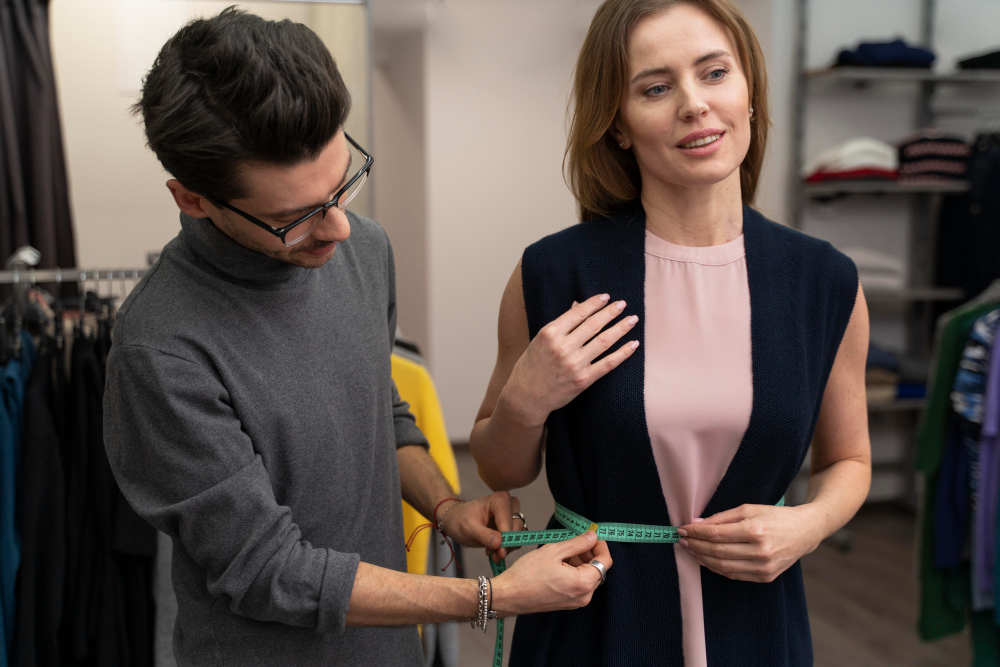
Most people stand still during their first fitting. Real life doesn’t work that way. You sit, walk, reach, bend, and turn, and your clothes have to move with you.
A garment that fits well while standing can feel tight when sitting or pull when walking. It’s information you can use moving forward. Multiple fittings allow alteration specialists to observe and correct these movement-based issues.
Why movement matters:
Some changes don’t show up until after the first alteration, which is why a follow-up fitting is built into the process. It helps ensure the garment fits how you actually wear it.
Skipping fittings can limit the quality of the final result. Alterations made without reassessment rely on assumptions rather than observation. This is when minor issues can slip by unnoticed.
What skipping fittings can affect:
alteration specialists use fittings to refine details that make clothing look intentional instead of adjusted. When fittings are skipped, those finishing touches often get missed.
Multiple fittings are a sign your alteration specialist is working carefully, respecting both the garment and your body. And in the world of quality alterations, that’s exactly what you want.
Multiple fittings are part of doing alterations the right way, especially when the goal is to help you look fashionable, feel confident, and stay sustainable in a dress that truly flaunts your best features.
At Fashion Cleaners, our expert alteration specialists are on site at 3031 Leavenworth, ready to handle everything from broken zippers and loose hems to detailed dress, suit, and formalwear alterations with care and precision.
If you have a favorite piece that’s sitting unworn because something feels “off,” book your exclusive service today or call us at 402-656-6320 to speak directly with our alterations team and get started right away. We’ll walk you through the process, answer your questions, and make sure your garments feel worth wearing again.
